Story primer: Soul, the Order, Mó Yuan
Facts checked 2026-10-28
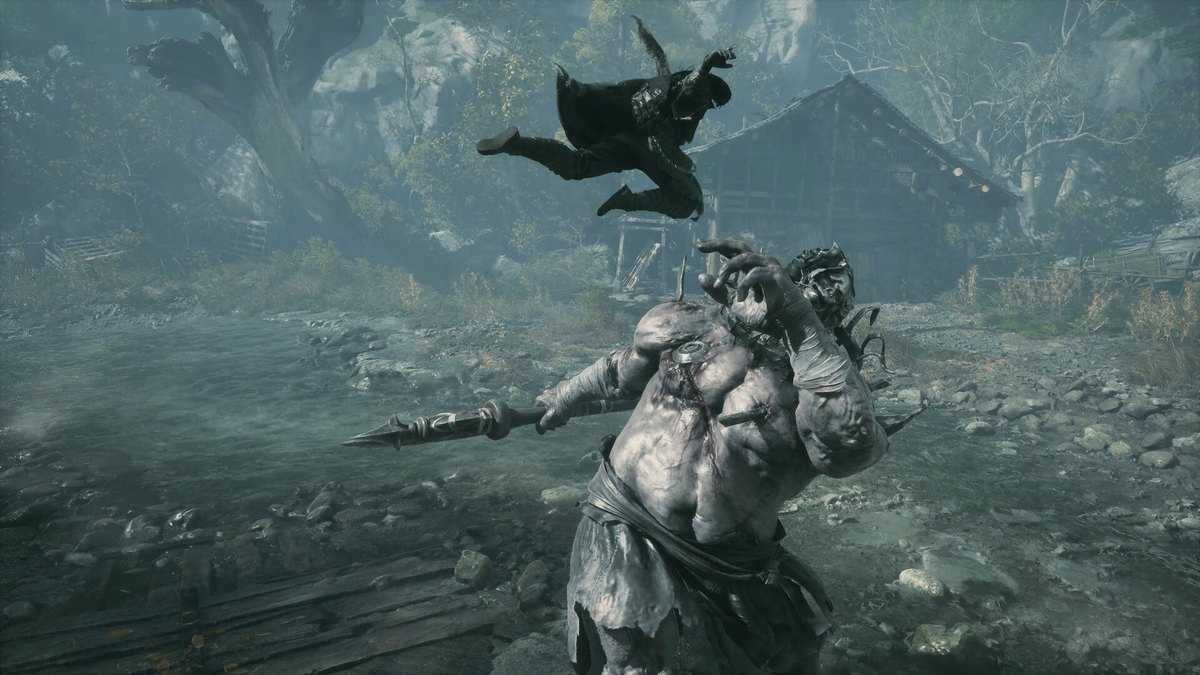
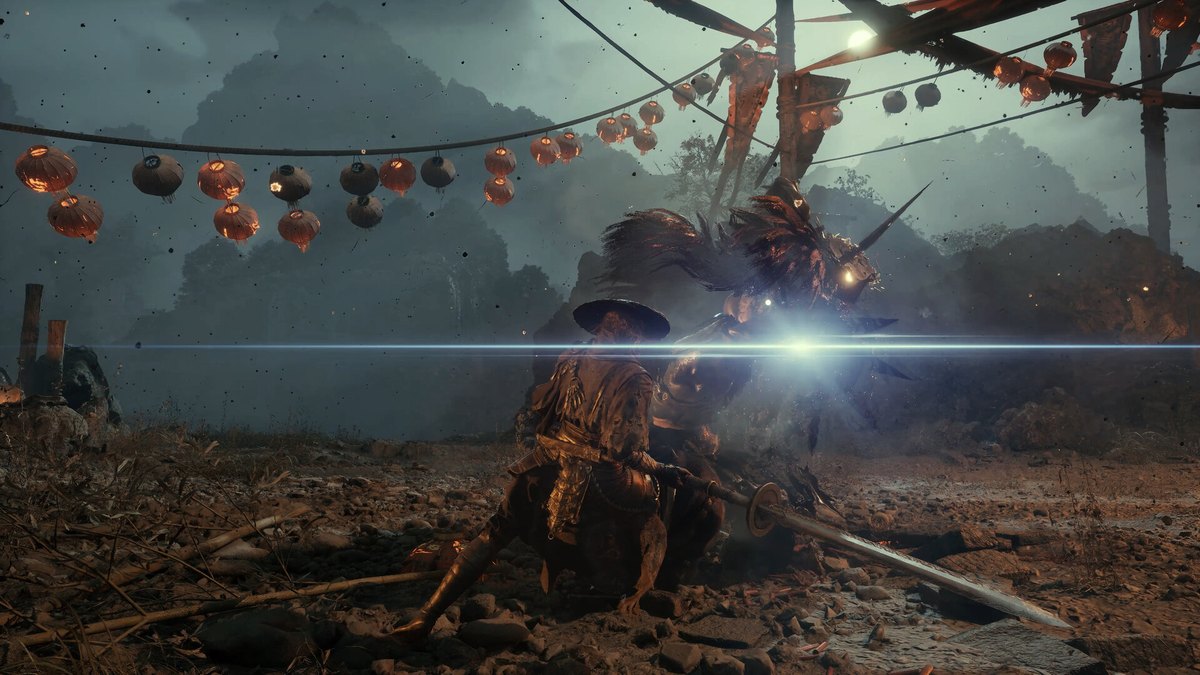
Soul is the Order's best assassin, framed for killing patriarch Mu Tianmiao and revived by the Flesh Sculptor with a heart that gives him 66 days. Mó Yuan leads the Bastion of Mó and is played by Donnie Yen.
Phantom Blade Zero's story is a revenge plot with a clock on it. Soul, the Order's best assassin, is framed for murdering the patriarch, killed in the duel that follows, and revived by a healer who gives him a heart that will last sixty-six days.
Everything else — the politics, the flashbacks, the eight endings — grows out of that premise. This page covers who the characters are and what the game expects you to understand, without walking through scenes.
The core cast
| Character | Who they are |
|---|---|
| Soul | The protagonist; the Order's most feared blade, now hunted by it |
| Mu Tianmiao | The Order's patriarch, murdered before the game begins |
| Zuo Shang | Soul's childhood blood brother; the duel that kills them both |
| The Flesh Sculptor | The mystic healer who revives Soul with a tainted heart |
| Mó Yuan | Leader of the Bastion of Mó; played by Donnie Yen |
| The Lady of the Veil | A veiled figure tied to the Memory Flowers and the world's secrets |
| Inanis | The being whose dreamscape the game names as a location |
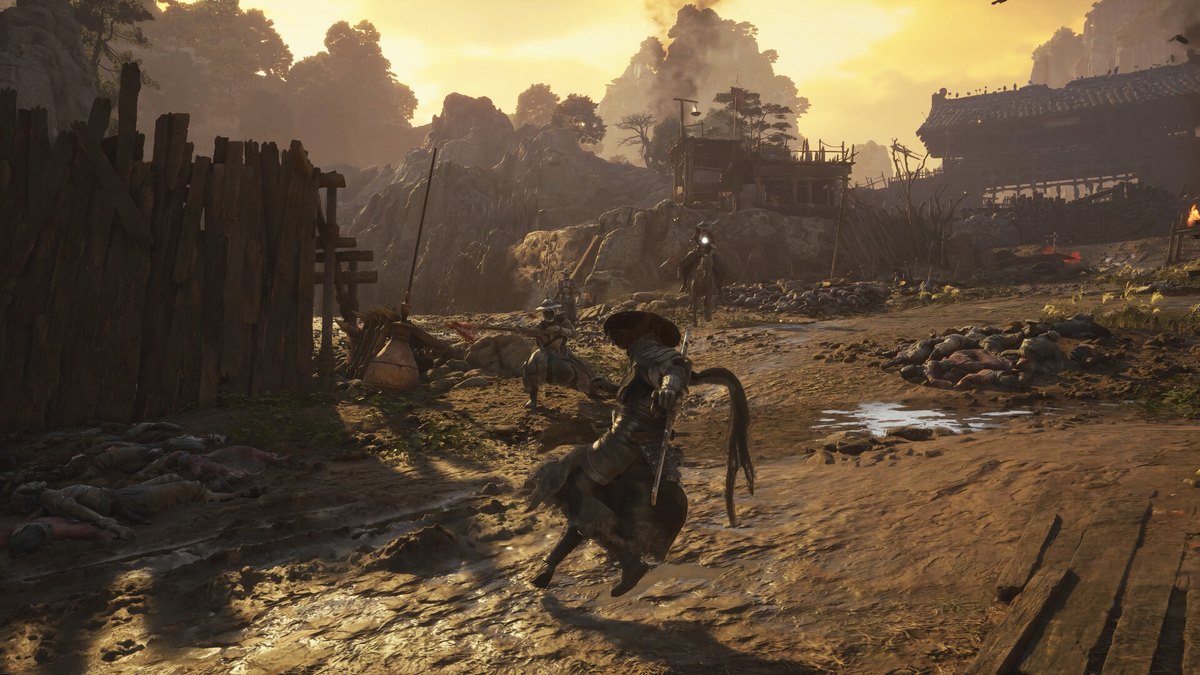
The Order is the organising force of the plot: an elite martial organisation that Soul served, that condemned him, and whose internal politics drive the conspiracy. The Bastion of Mó is the rival power Mó Yuan leads.
The sixty-six days
The number is not a marketing line. Soul's borrowed heart gives him a fixed lifespan, and the game's hardest difficulty is built around it: 66 lives, one lost per death, save wiped at zero. In the story it functions as pressure — every faction knows he is dying, and some of them are waiting.
The story glossary covers the other proper nouns, including the Wulin, the Discordance and Transcension.
The structure the game uses
Phantom Blade Zero tells its story out of order. The opening hours jump between the present, several years earlier, several months earlier and several days earlier, and the game does not always signpost the jump. If the first two hours feel confusing, that is the intended texture rather than you missing something.
Two practical notes:
- Names repeat across timelines. A character who is an ally in one scene may already be dead in another. Track the location card, not the costume.
- The journal fills in what the cutscenes skip. Read the entries after a chapter; they are written in plain order and resolve most of the confusion.
What the endings change
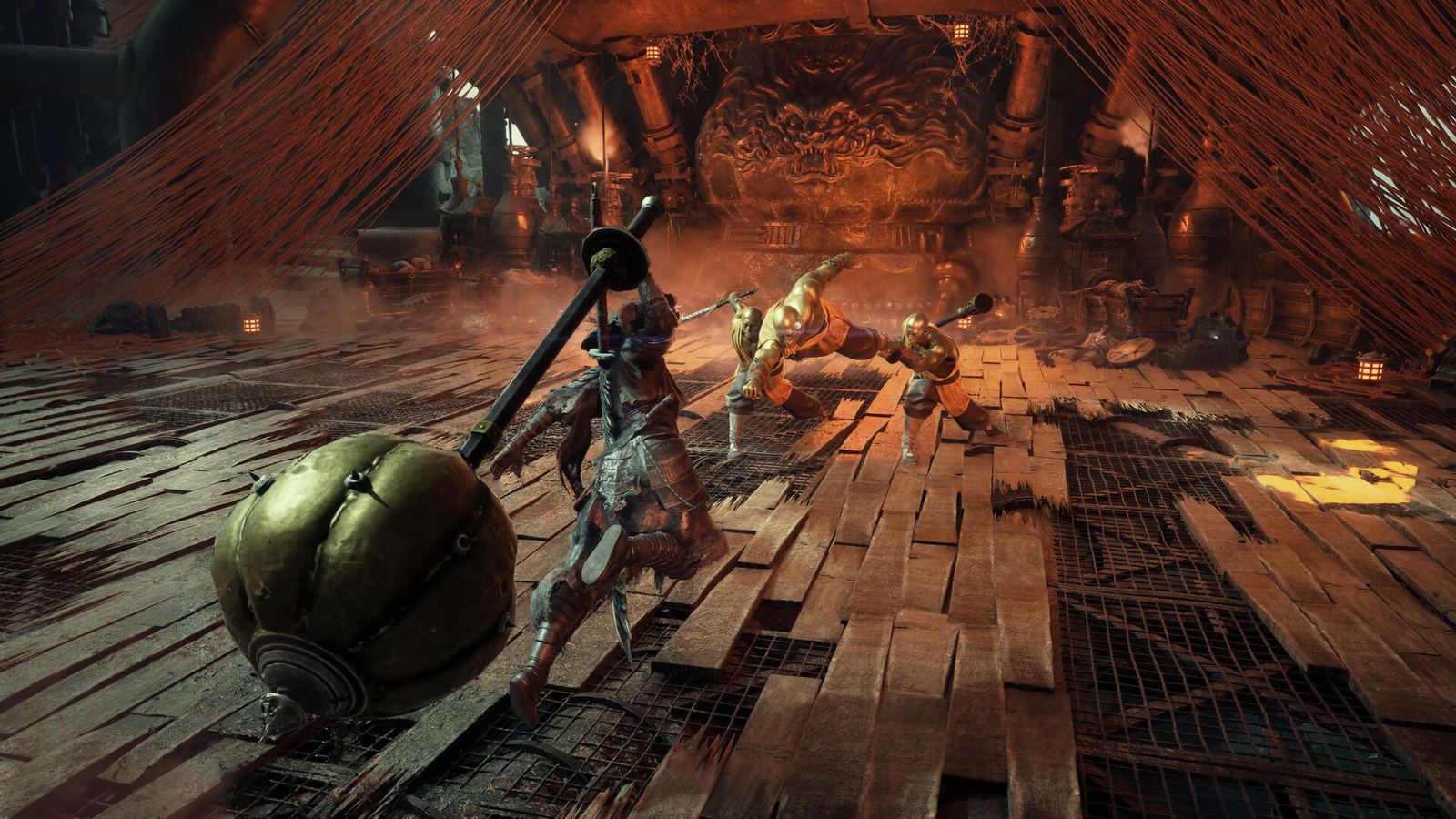
There are eight endings, and they are decided by side stories rather than by a final choice screen. Tales have multiple outcomes, and those outcomes feed the conclusion.
That means the story you get is partly a record of who you helped. The endings page explains the structure without spoiling the scenes, and the Tales page lists the chains that matter.
Should you play the older games first?
No. S-GAME has described this as a new story with a new cast that requires no prior knowledge, and it is a spiritual return to the Rainblood games rather than a sequel to their plots. Pangzhen, the rain-soaked town, is the nod longtime fans will recognise.
FAQ
Is Soul dead at the start?
He is killed and revived. The heart that keeps him alive is not his own, and the sixty-six days are the price.
Who is Donnie Yen's character?
Mó Yuan, leader of the Bastion of Mó. Yen also served as creative consultant on the game's action design and performs the character through facial and motion capture.
Does the story have multiple timelines?
Yes, and it jumps without much warning in the opening hours. The journal entries are the reliable summary.
Do choices matter?
Tales have multiple outcomes and feed the eight endings. There is no paragon/renegade meter; the record is who you helped and how their stories resolved.